
Born in 2025, it preserves and promote the history of computing and digital culture.
By making this heritage accessible,
it helps people understand how technology has contributed to shaping our world.
↗︎ FOUNDATION
↗︎VISION
The ambition of the Foundation is to pass on to future generations the material and immaterial (tangible and intangible) heritage of information technologies as an act of cultural and civic responsibility;
acting as an ongoing, open laboratory where knowledge, techniques, and arts meet and dialogue with contemporaneity, fostering the integration of knowledge in the digital age and the conscious use of technology.
↗︎MISSION
Fondazione 101 operates on multiple fronts to connect culture, technology, and community:
it enhances the computing heritage through conservation and study.
it promotes research on digital culture, spanning history, science, and the environment.
it spreads knowledge through exhibitions, workshops, and educational activities;
it builds community by connecting collectors, experts, and enthusiasts.
it supports the community—and especially young talents—by fostering the development of skills within the territory.
↗︎MEET THE FOUNDATION
BOARD
Pierdamiano Airoldi: Founder
Gabriella Gandolfi: Founder
Rolando Chioda: Founder
STAFF
Andrea Biffi: Executive director
Lisa Locatelli: Operations manager
Lorenzo Airoldi: Education specialist
René Capovin: Cultural mediator
CONSULTANT
Massimo Negri: museologist/industrial heritage expert
↗︎ COLLECTION
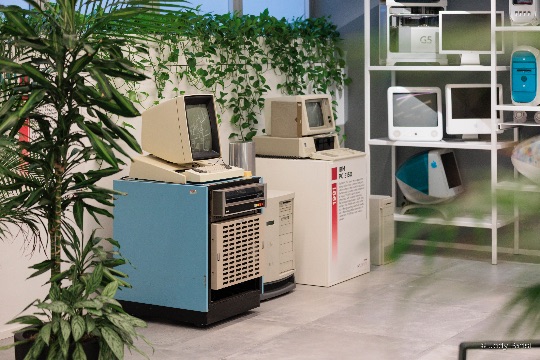
Born in the ’90s, the collection of computing artifacts—now of international significance—is the core upon which the Foundation was conceived and built. It includes more than 2,000 items of historical and scientific interest: from mechanical and electronic calculators to the first transistor-based computers, from personal computers to game consoles. The collection features rare pieces (PDP 11/35), exceptional ones (the second Apple I ever made), unique and priceless ones (Xerox Alto), emblematic ones (Olivetti Programma 101), and replicas (Apple Knowledge Navigator)
↗︎ DIGITAL HERITAGE
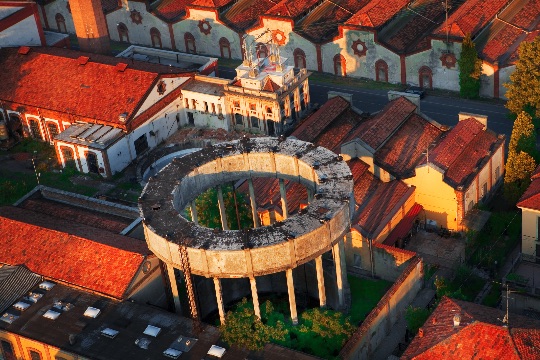
↗︎PERMANENT MUSEUM
Digital technology lies at the foundation of global society, and its past is already shared history: through personal computers, video games, and smartphones, we can grasp essential moments of a true epochal shift. The tool to fulfill this ambition is a permanent museum of information technologies: contemporary and innovative (a center of experiences, skills, and personal and community empowerment), it will resemble Jorge Wagensberg’s “total museum.”
A museum of national relevance.
A museum that becomes an instrument of social change.
↗︎ENTHUSIASTS AND ASSOCIATIONS
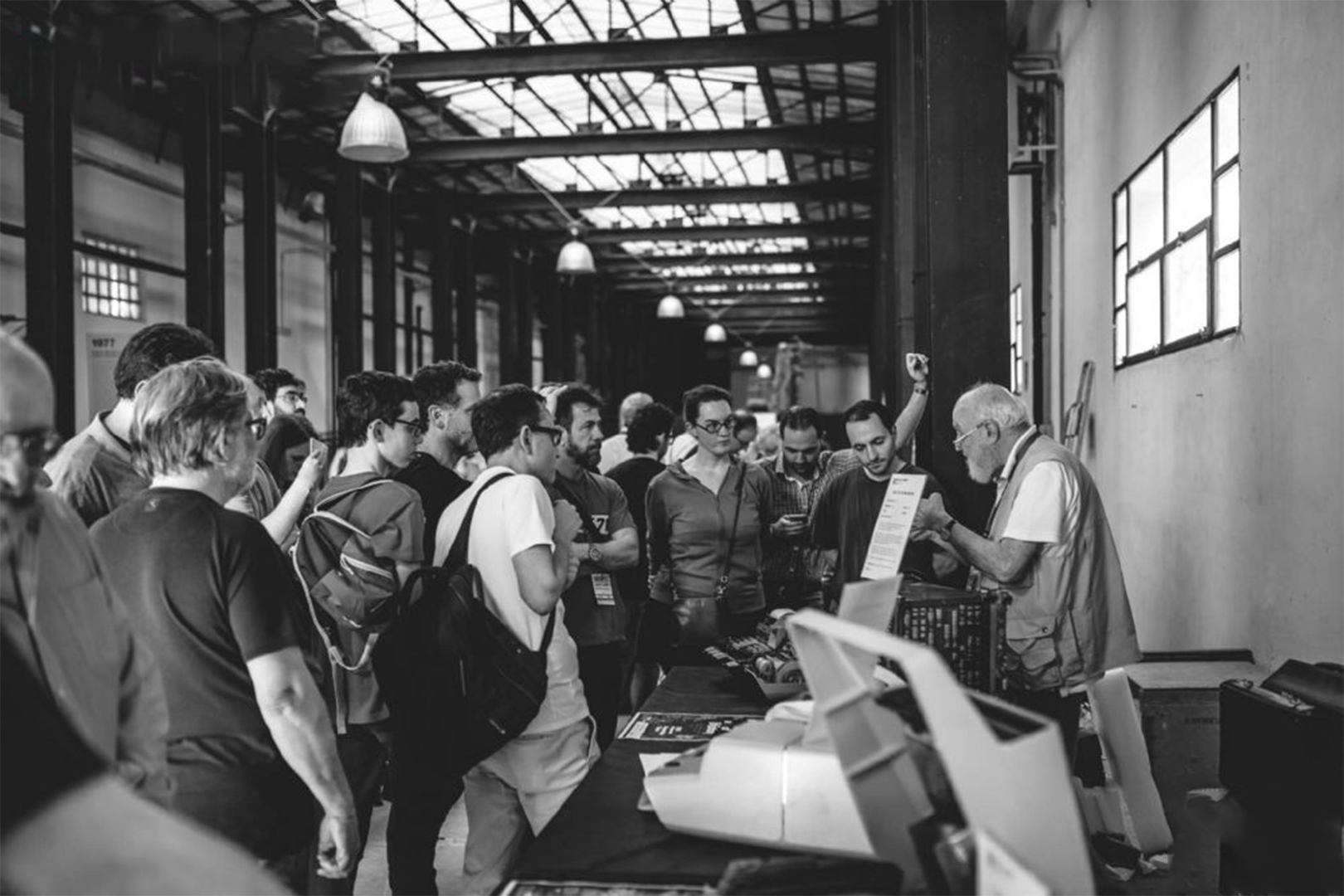
In Italy, unique collections exist that recount the birth of computing and the digital world, the result of the quiet and methodical work of associations, collectors, and nerds.
This unique heritage suffers from fragmentation, mistrust, and a lack of shared tools—typical of enthusiast circles.
Fondazione 101 aims to change this logic: it positions itself as a cultural reference point, building a collaborative approach with all the organizations in the sector, with the goal of transforming the heritage they preserve into a common good.
↗︎101 AND I.A.
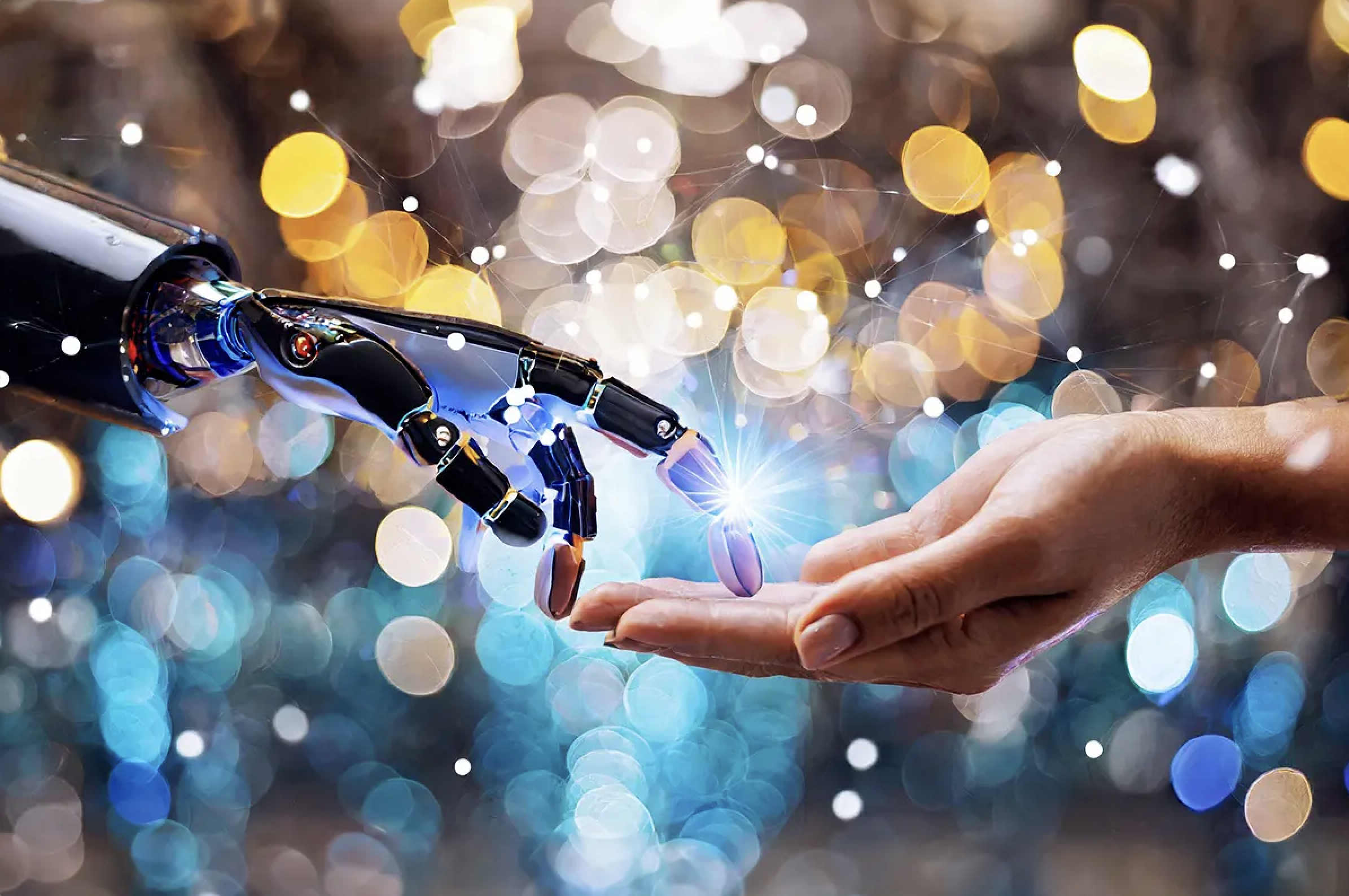
Fondazione 101 was created (also) to use the history of technology as an educational tool.
The common thread linking today’s digital technologies to the earliest computers helps us ask the right questions: is AI a threat or a great opportunity? Is it better to avoid and forbid it — or to teach how to understand and use it properly? We are aware that AI is an inevitable transformation, destined to profoundly change the way we live and look at the world. It is essential first to understand it, so we can use it with that distinctive, creative, and original vision our country has so often demonstrated.
↗︎ TEACHING AND EDUCATION
↗︎TEMPORARY MUSEUM
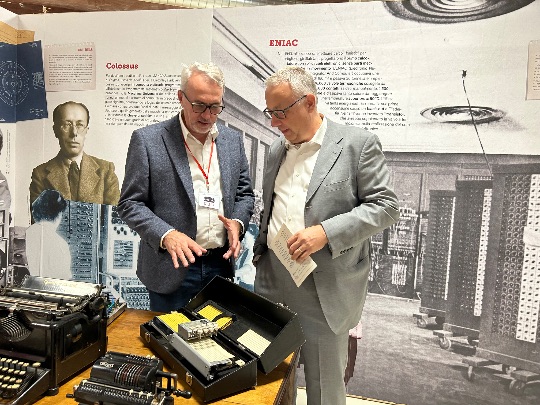
“Computer Stories. Scenes from a Recent Past: from Alan Turing to Steve Jobs” is an exhibition that retraces the recent history of computing through dozens of original artifacts: from the computers that won the war to the first home computers, from design to portability and through retrogaming, the journey highlights the innovations, insights, and failures that transformed digital technology into an everyday companion. A voyage into the digital culture that made possible the present we live in.
Computer Stories can be booked as a temporary museum by institutions, public bodies, schools, municipalities, associations, and companies;
it can be accompanied by digital interpretation tools, expert guides, STEM and hands-on educational workshops, lectures, or meetings with key figures from the history of computing.
↗︎STEM AND NEW COMPETENCES
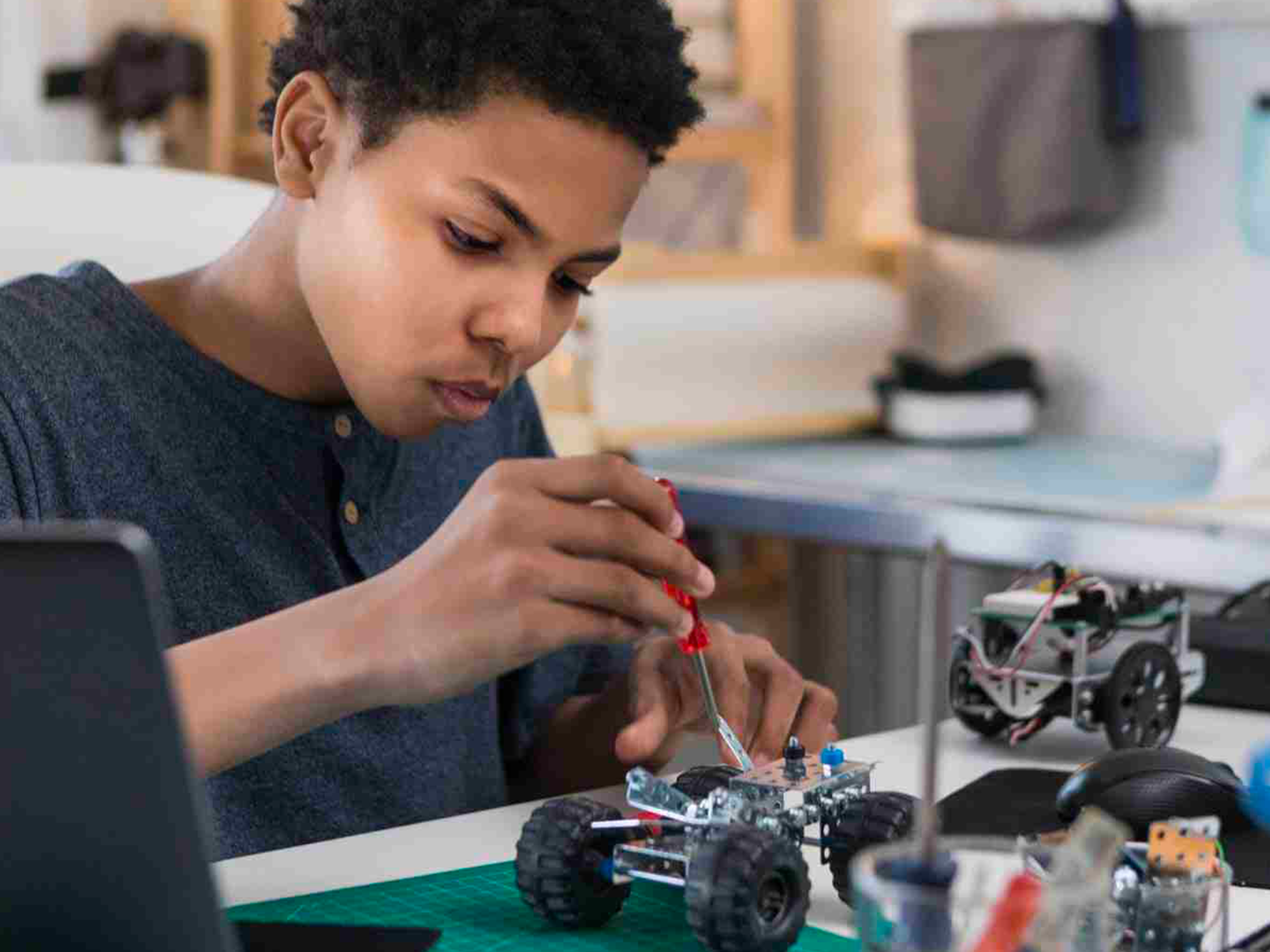
The revolutions of the digital era require a cross-cutting educational effort aimed at all citizens, using appropriate teaching and narrative approaches. In this sense, STEM education (Science, Technology, Engineering and Mathematics) is essential because it develops critical and transversal skills such as logical thinking, problem-solving, and creativity. Common features of the proposed educational experiences include interaction, hands-on learning, the use of “confined” AI, and coding and making activities carried out in laboratory settings.
↗︎CONFERENCE-SHOWS
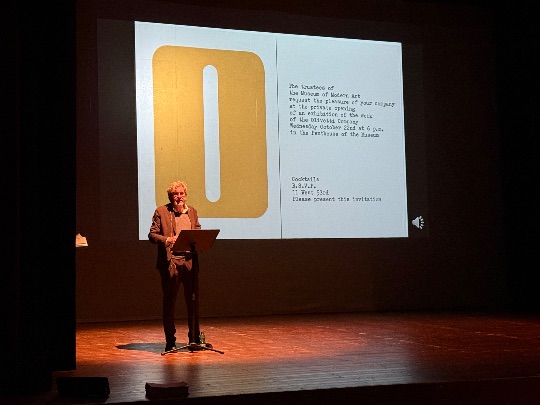
By intersecting the history of computing with social evolution, cultural trends, and historical events, the Foundation’s experts—together with guest speakers and collaborators—create and perform conference-shows that lead audiences on a journey through time, between technology and history (e.g., “Adriano Olivetti, a Story Full of Future”; Federico Faggin and the Microchip — in preparation).
The events are intended for museums, universities, municipalities, repertory theaters, cultural centers, and schools as well.
 .
.